
Fentanyl Addiction treatment
What We Treat

Fentanyl Addiction

Fentanyl addiction has become one of the most urgent public health crises in recent years. Potent and fast-acting, this synthetic opioid is up to 50 times stronger than heroin—and even small doses can be deadly. Individuals often don’t realize how dangerous fentanyl is until it takes over their lives, placing physical health, mental stability, and safety at serious risk.

What Is Fentanyl Addiction?

Fentanyl Addiction treatment

Understanding Fentanyl Addiction

Fentanyl addiction occurs when the body and brain become dependent on the drug, leading to intense cravings, withdrawal symptoms, and compulsive use. While it is sometimes prescribed for severe pain, most fentanyl-related overdoses involve illicitly manufactured forms found in counterfeit pills or mixed with other substances without the user’s knowledge.

Because fentanyl acts rapidly and powerfully, addiction can develop quickly, sometimes after just a few uses. The drug affects the brain’s opioid receptors, altering mood, judgment, and physical functioning. Without treatment, individuals may struggle to control their use, often putting themselves at risk of overdose or self-harm.

Treatment Options for Fentanyl Addiction

Recovery from fentanyl addiction is most effective when medically supervised care is combined with evidence-based therapies and comprehensive support for both mind and body. Personalized treatment plans help individuals safely manage withdrawal, develop coping strategies, and build a foundation for long-term recovery.

  • Comprehensive Approaches for Lasting Recovery

    Effective treatment integrates medical detox, structured therapy, and ongoing support to address the physical, psychological, and behavioral aspects of addiction. The following modalities provide the tools, guidance, and strategies needed to reduce cravings, rebuild healthy routines, and maintain lasting sobriety.


    Fentanyl Addiction treatment
  • Medical Detox & Withdrawal Management

    Withdrawal from fentanyl can be intense and dangerous if handled alone. Supervised detox provides medical monitoring, symptom relief, and stabilization to safely begin recovery.

  • Residential Treatment Programs

    In a structured and secure environment, clients receive therapy, counseling, and relapse prevention strategies. Residential care also offers support in addressing trauma, co-occurring mental health disorders, and lifestyle rebuilding.

  • Medication-Assisted Treatment (MAT)

    Medications such as Suboxone or Methadone may be used to reduce cravings and stabilize brain chemistry. MAT is most effective when combined with therapeutic approaches and long-term recovery planning.

Why Seek Professional Fentanyl Addiction Help?

Fentanyl addiction is extremely dangerous, and trying to quit alone can be life-threatening. Professional treatment offers safety, clinical guidance, emotional support, and real strategies for long-term recovery. With the right help and structured care, individuals can break free from fentanyl’s grip and build a future defined by health, clarity, and independence.

Get Help Today
Fentanyl Addiction treatment

Our Facilities

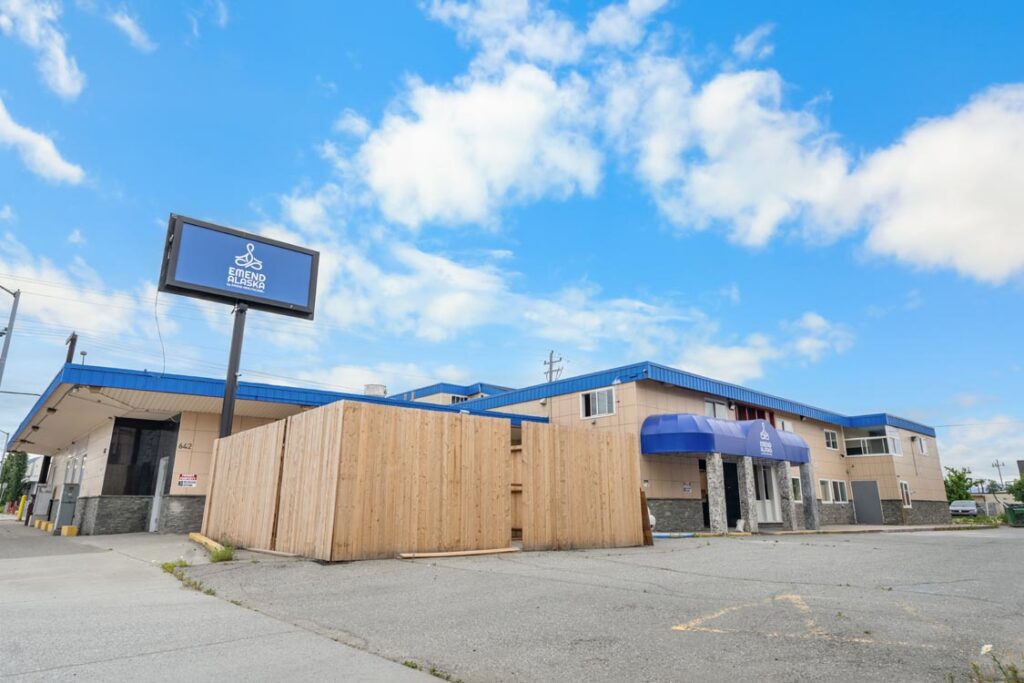
Every location is built to feel safe, welcoming, and supportive so you can focus on healing without feeling alone.

View All Locations

Empower Residential Wellness Bassett House

Canoga Park, ca
View Facility

Empower Residential Wellness Bellingham

Los Angeles, ca
View Facility

Our Approach

At Emend Healthcare, our approach combines clinical expertise, personalized care, and community support. Every client receives a customized treatment plan based on evidence-based therapies, ensuring the most effective path to healing. Our goal is to help individuals build the skills, resilience, and confidence to thrive long after treatment.

Our Treatment Method
Trusted & Accredited

Our Accreditations

Our programs meet the highest standards of safety, ethics, and clinical excellence. Each facility is accredited to ensure that every client receives trusted, compliant, and evidence-based care they can rely on throughout their recovery journey.

Frequently Asked Questions

We understand that seeking treatment can come with uncertainty and important questions. Our team is here to make the process clear, supportive, and easy to navigate so you know exactly what to expect from day one.

If emotions, behavior, or substance use begin to interfere with daily life, relationships, work, or overall well-being, it may be time to seek help. Treatment offers a guided space to understand what’s happening, identify the root of the problem, and take steps toward stability and healing. Even if you’re unsure, a professional assessment can provide clarity.

Yes. We specialize in treating mental health disorders, substance use disorders, and co-occurring conditions that involve both. Our integrated approach ensures clients receive support for all aspects of their health—emotional, behavioral, and physical—so nothing gets overlooked during the recovery process.

The process begins with a confidential assessment where our team learns about your symptoms, challenges, and goals. From there, we determine the most appropriate level of care and create a treatment plan tailored to your needs. We walk you through each step, explain what to expect, and help arrange logistics if needed—so you’re never navigating it alone.

Absolutely. Every client receives an individualized treatment plan based on their unique history, needs, and progress. Our clinicians regularly evaluate each person’s growth, adjusting methods and interventions as needed. Treatment evolves over time to ensure that it remains effective, supportive, and aligned with long-term goals.

Treatment length depends on the level of care and each individual’s needs. Some clients begin with short-term stabilization, while others benefit from longer therapeutic support. Rather than focusing on a rigid timeline, we focus on measurable progress and readiness for the next step—so healing happens at a pace that’s effective and sustainable.